Pluto is an AI-powered investment research platform that was aquired by Robinhood in December 2023. Pluto used large language models to process and interpret real-time market data to surface insights faster and deliver highly personalized investment strategies tailored to a user’s needs, risk appetite, and financial goals.  

Client
Pluto
July 2023 - December 2023
Position
Product Designer
Company Size
2 Engineers
2 Founders
1 Designer
Responsibilites
UI / UX
User Resesarch
Prototyping
Design Thinking
Information Architecture
Journey Maps
Workflows
Problem
Pluto’s early product tried to combine AI research, rule-based strategy automations, and portfolio/trading into one platform, but the experience didn’t give users a clear workflow or mental model for how these parts connect. As a result, users had to hunt for where to start, interpret dense dashboards and long AI outputs.
Brief
Pluto has strong building blocks but they don’t resolve into a single, trustworthy workflow. Users can generate outputs, but struggle to understand what matters, what to do next, and how/why automations behave.
Goals
Convenience:

Reduce time-to-first-value by guiding users from start → first insight → first saved action in minutes.
Clarity:

Unify Canvases, Automations, and Portfolio into one mental model so users always know where they are.
Control:

Let users tune risk, time horizon, and notification intensity so the product adapts to them—not the other way around.
Consistency:

Standardize AI output structure across the product so responses are predictable, skimmable, and decision-grade.
Actionability:

Make every analysis end with a clear outcome: key takeaway, confidence level, and a recommended next step.
Interviews
To better understand and build empathy for Pluto’s target users, I conducted discovery research using three complementary methods: semi-structured interviews, personal inventory, and persona synthesis.
Semi-structured Interviews
I ran semi-structured interviews to uncover how people actually research, decide, and act in markets—then mapped where Pluto added value vs. introduced confusion. The interviews were designed to stay open-ended while consistently covering: investing goals, risk tolerance, research routines, decision triggers, trust requirements, and the handoff from “insight” to “action.”
Personal Inventory
To complement what users said, I used a personal inventory exercise to understand what they use.
Participants walked through the tools and artifacts they rely on to make decisions, explaining why each tool earned a place in their workflow.
User Personas
The Guided Investor:

Wants simple, confident direction. Needs a clear start, plain-language explanations, and low-risk actions.
The Thesis Builder:

Uses research to form a point of view. Needs structured canvases, repeatable frameworks, sources, and “what would change my mind?”
The Active Investor:

Moves fast and filters aggressively. Needs real-time relevance, tight alerts, and actionable summaries.
The Automation Power User:

Wants systematic execution. Needs rule transparency, backtest/preview, guardrails, and a reliable audit trail of outcomes.
User Feedback
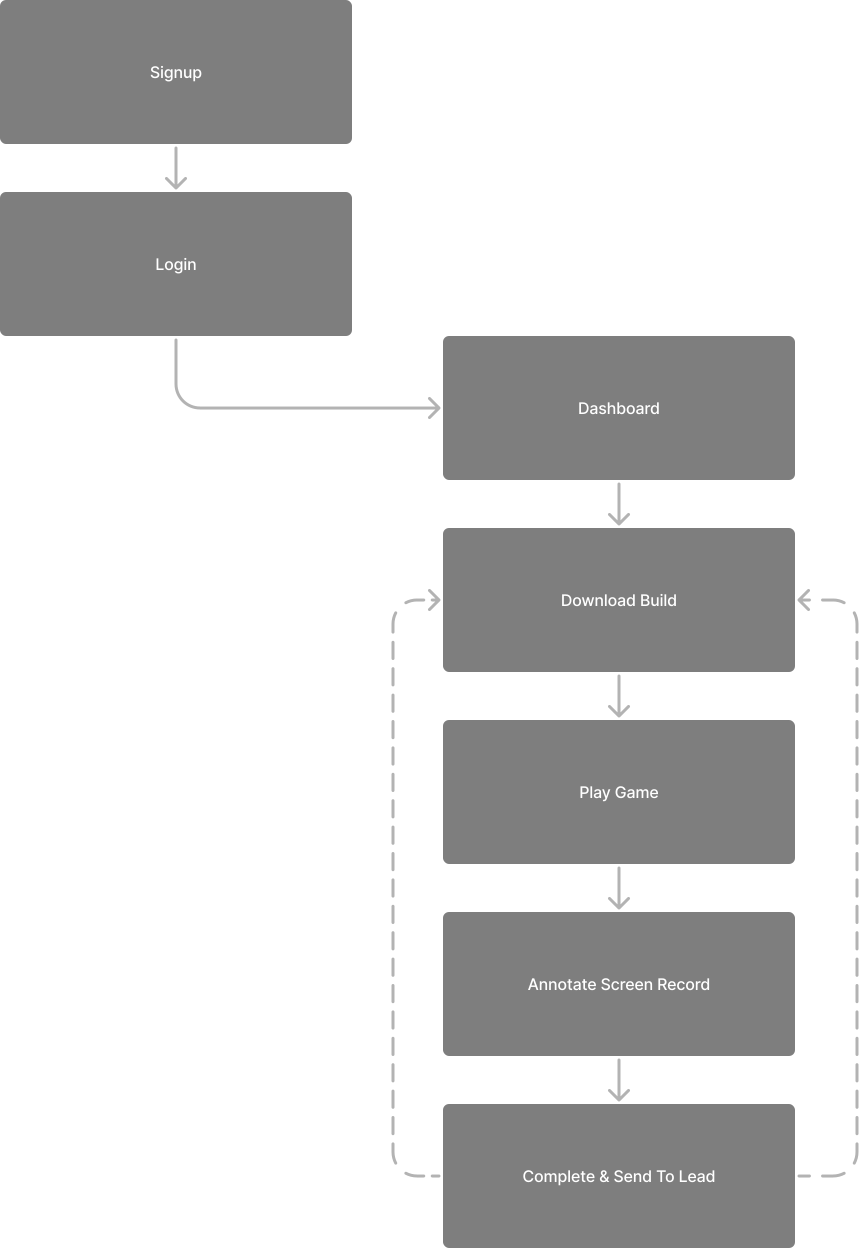
I conducted a usability test with four different participants and continued to develop and refine the overall product through user feedback.
Usability Testing
In asking questions that focused on the product's form, function, and overall experience, I was able to gain further insights regarding how our users would use and integrate in their lives and workflows.
Tester Takeaways:
• Wants to be able to add more types of information rather than just a text box.
• Wants annotations to not be boring, but fun.
Admin Takeaways:
• Wants to be able to upload their test plan for the game.
• Wants to be able to see what hardware specs the tester was using.
• Wants to be able to assign multiple smaller tasks to a build instead of one big one.
• Wants to easily be able to create a ticket to send bugs off to dev seamlessly.
• Wants to be able to review all issues across different builds at one time
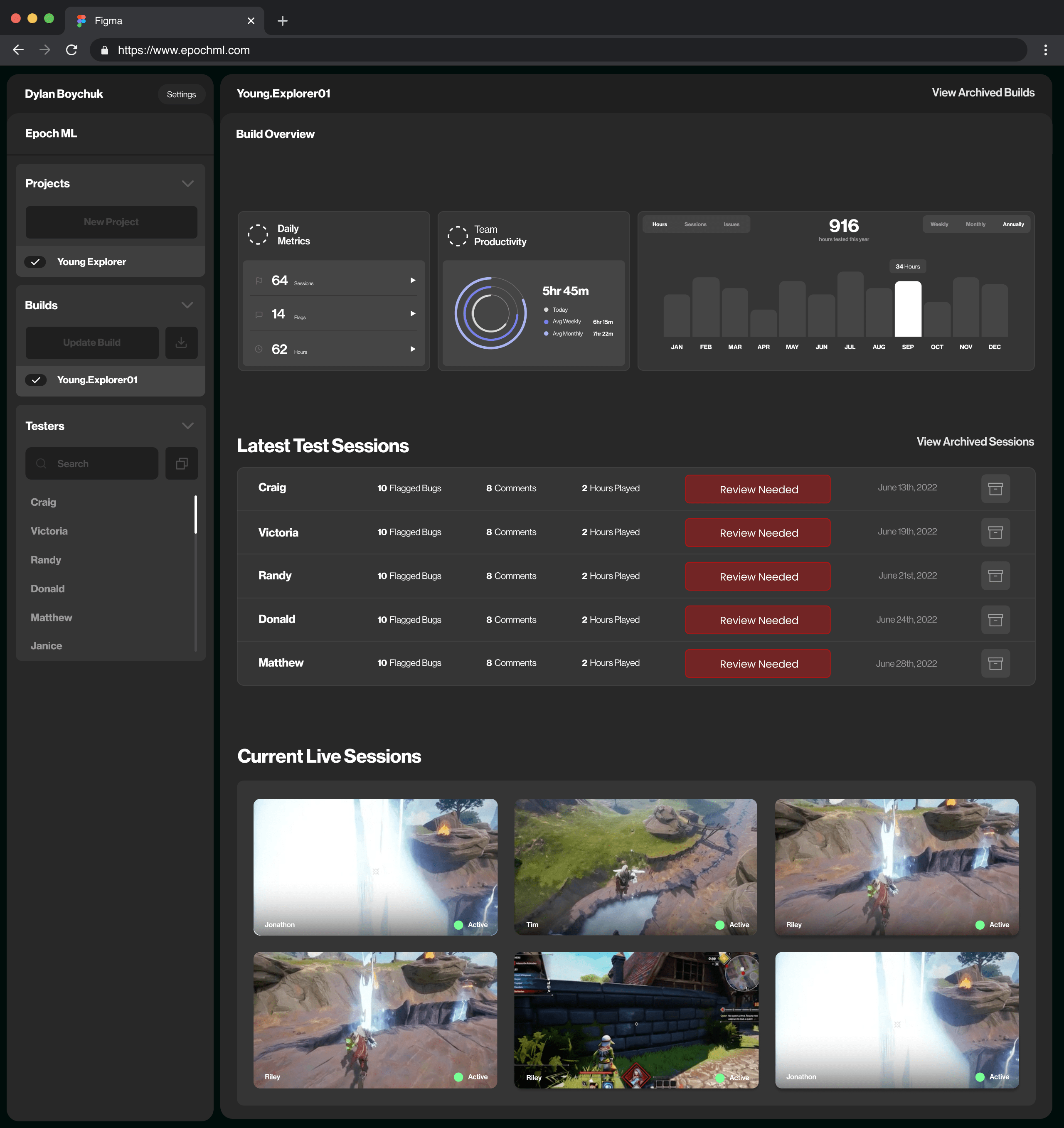
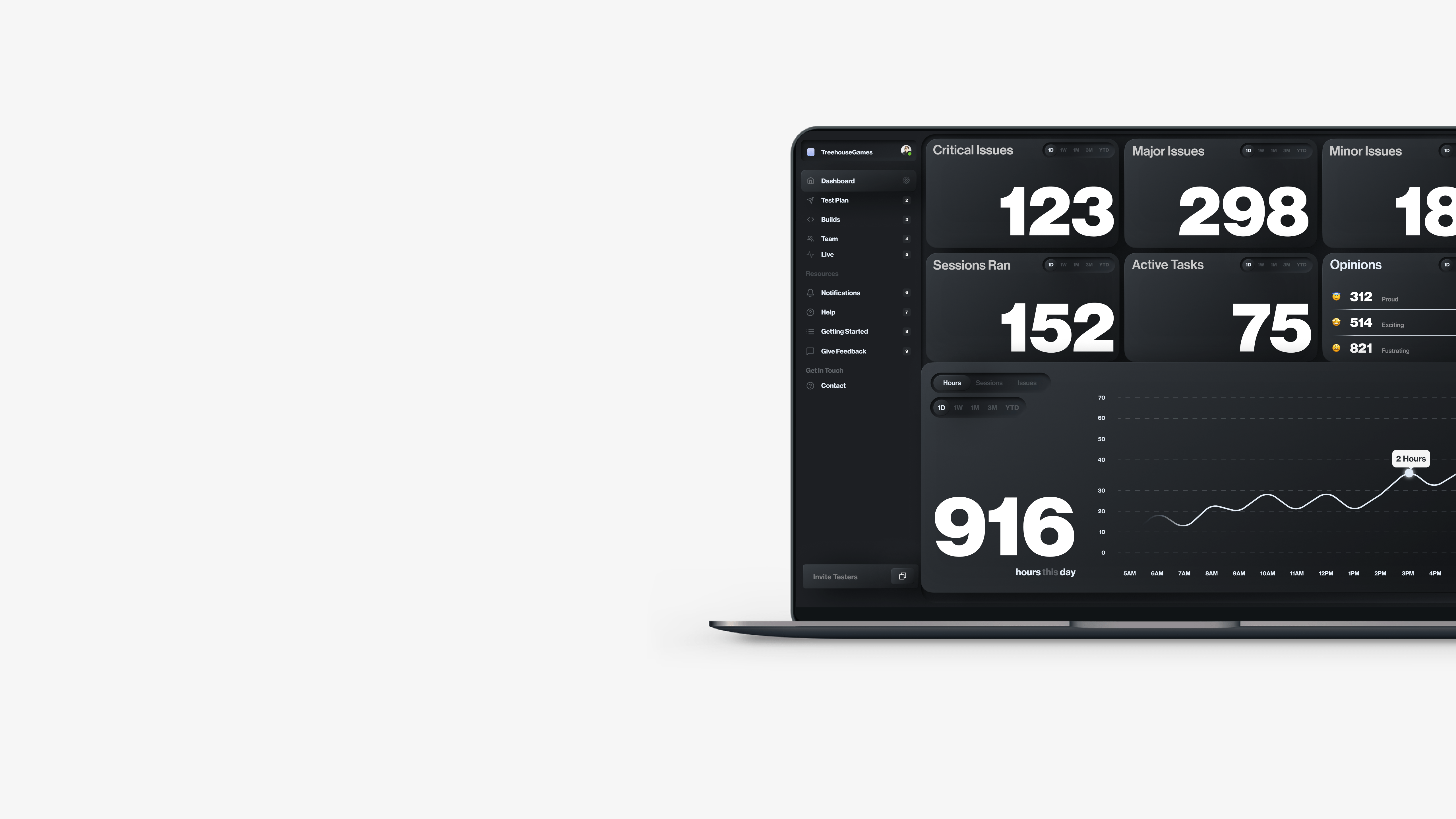
Dashboard
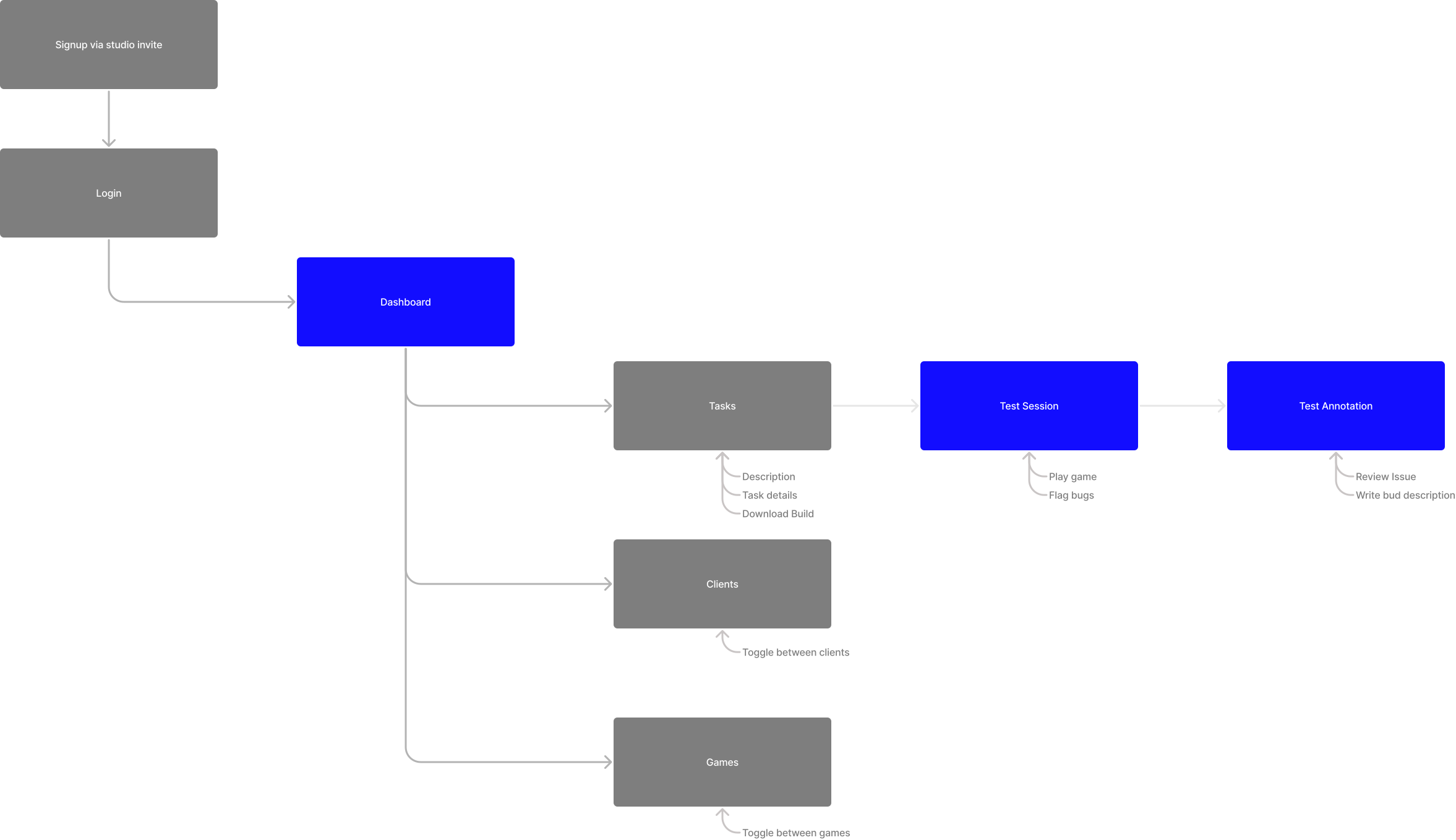
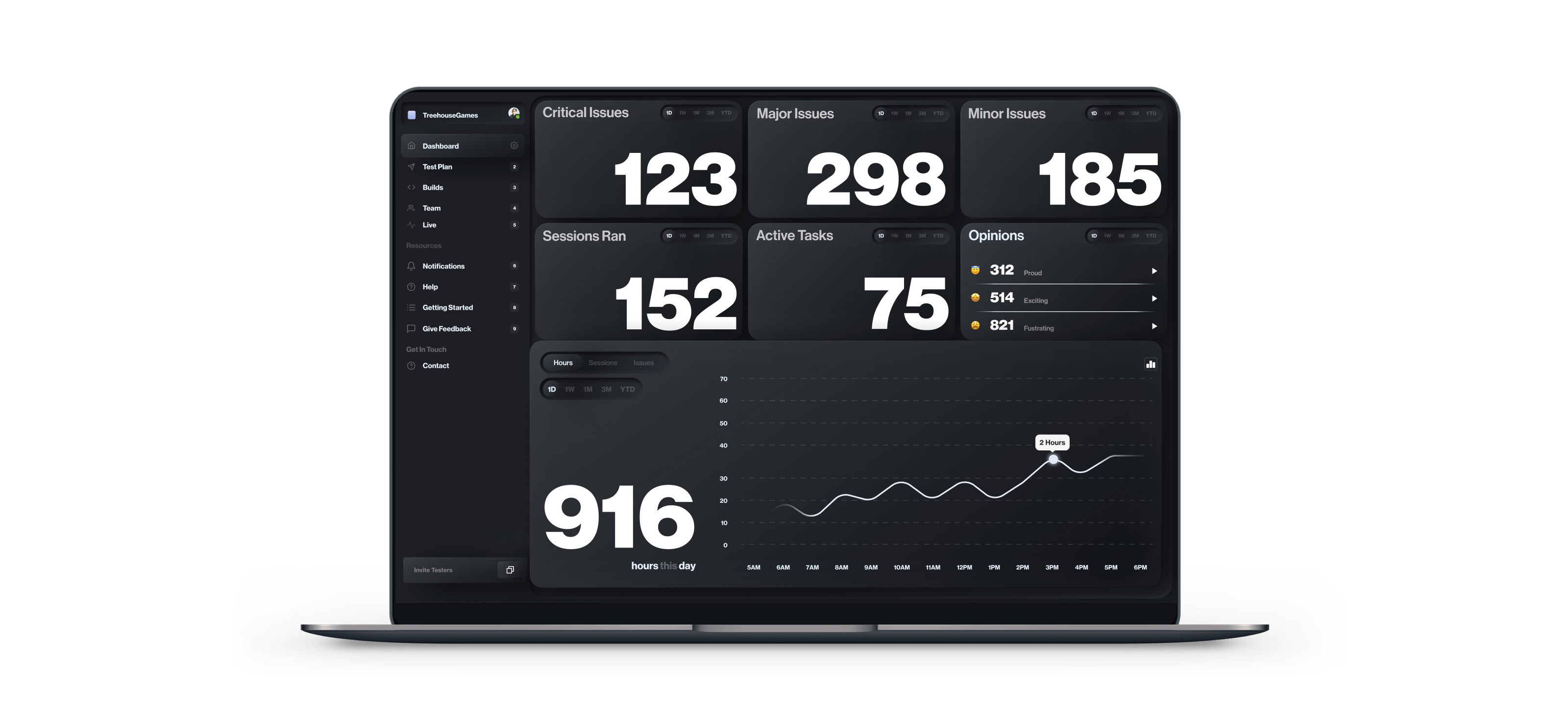
Have easy high level access to everything that has been happening with game to insure things are going according go plan.
Build Management
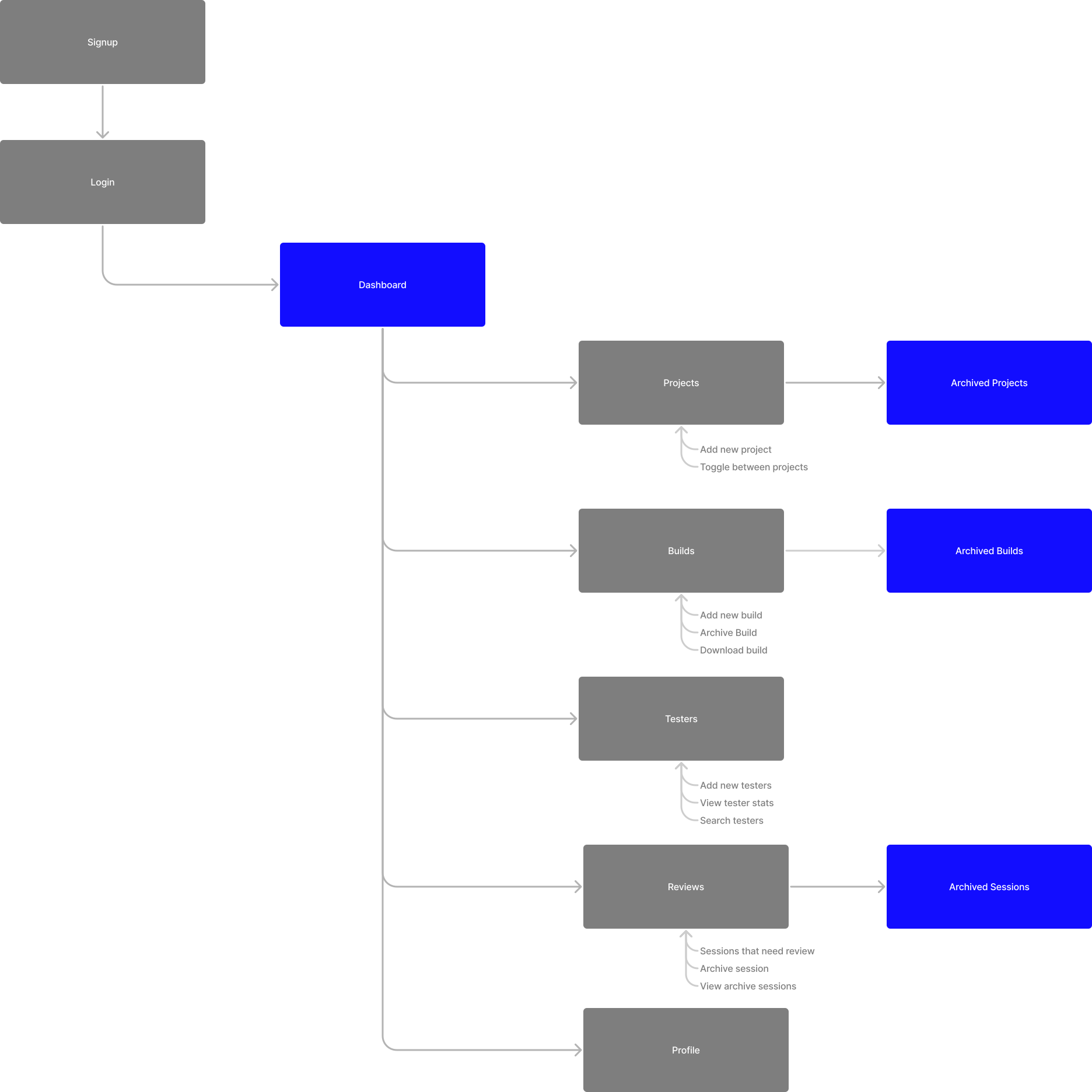
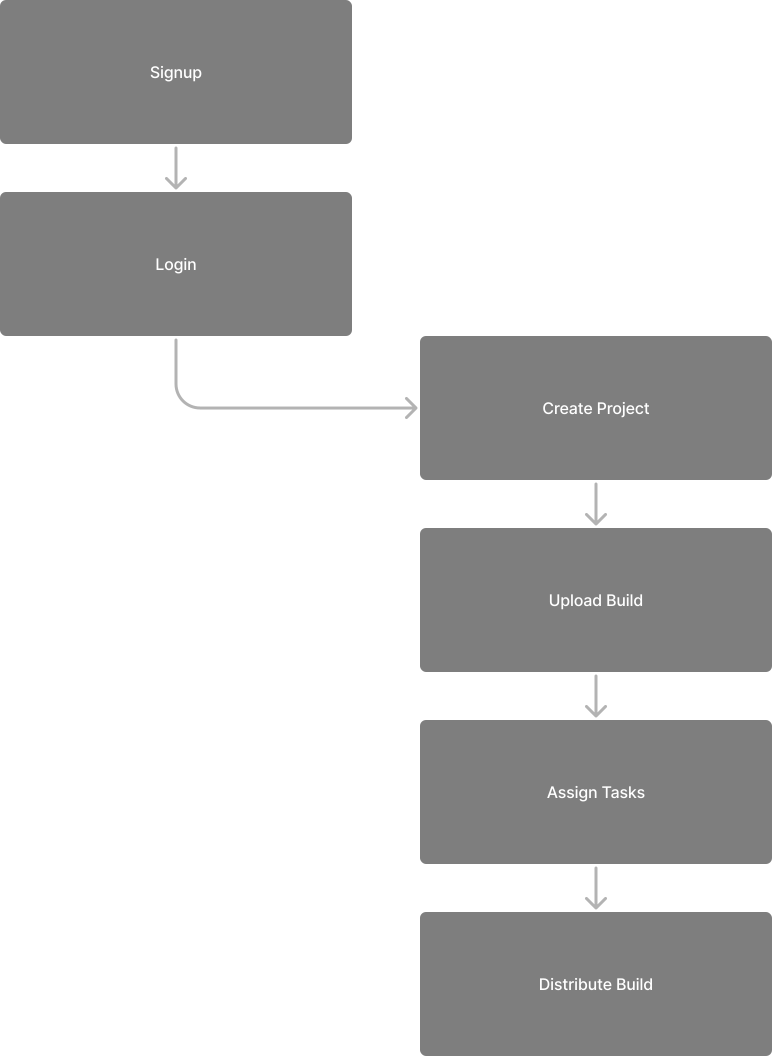
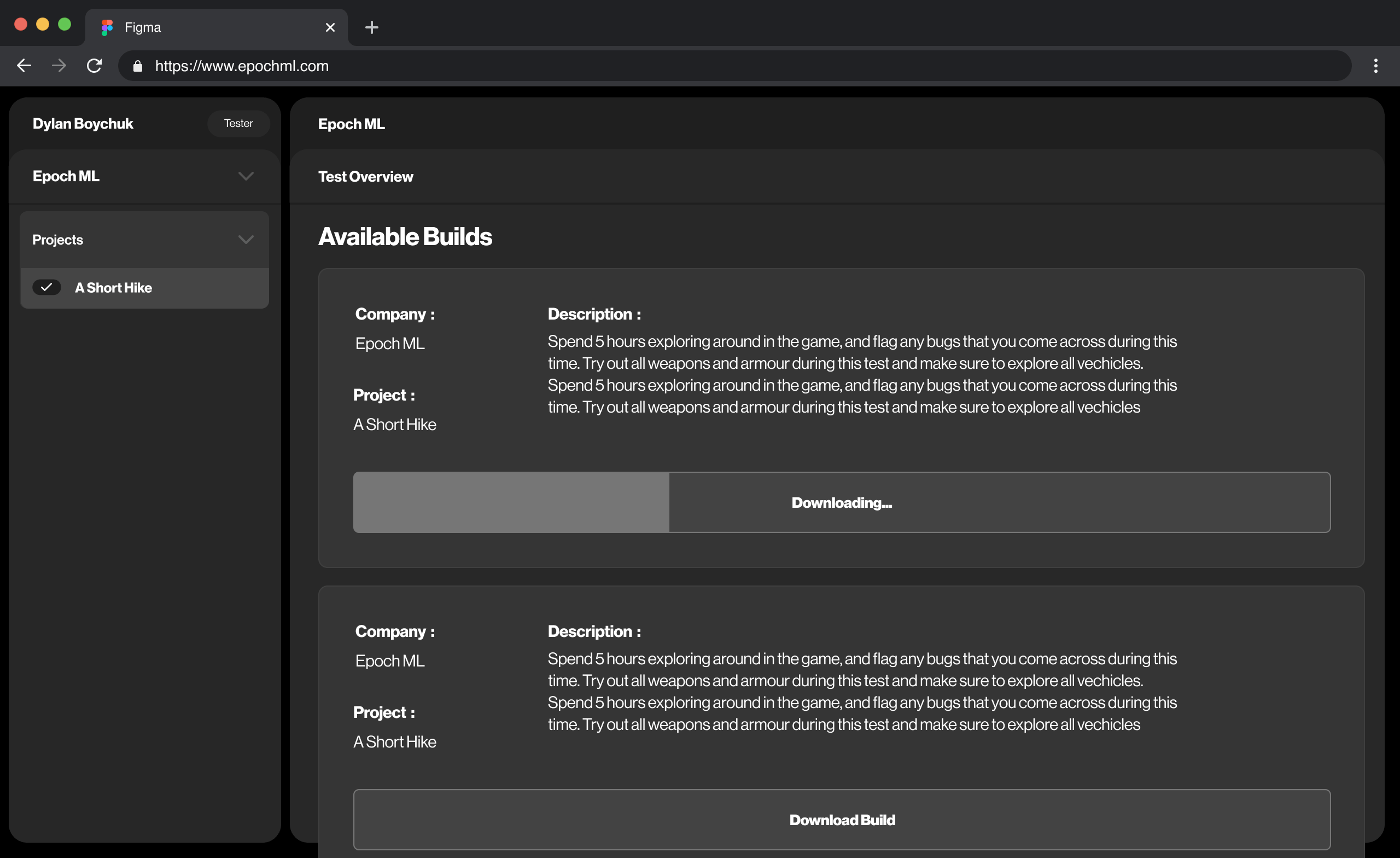
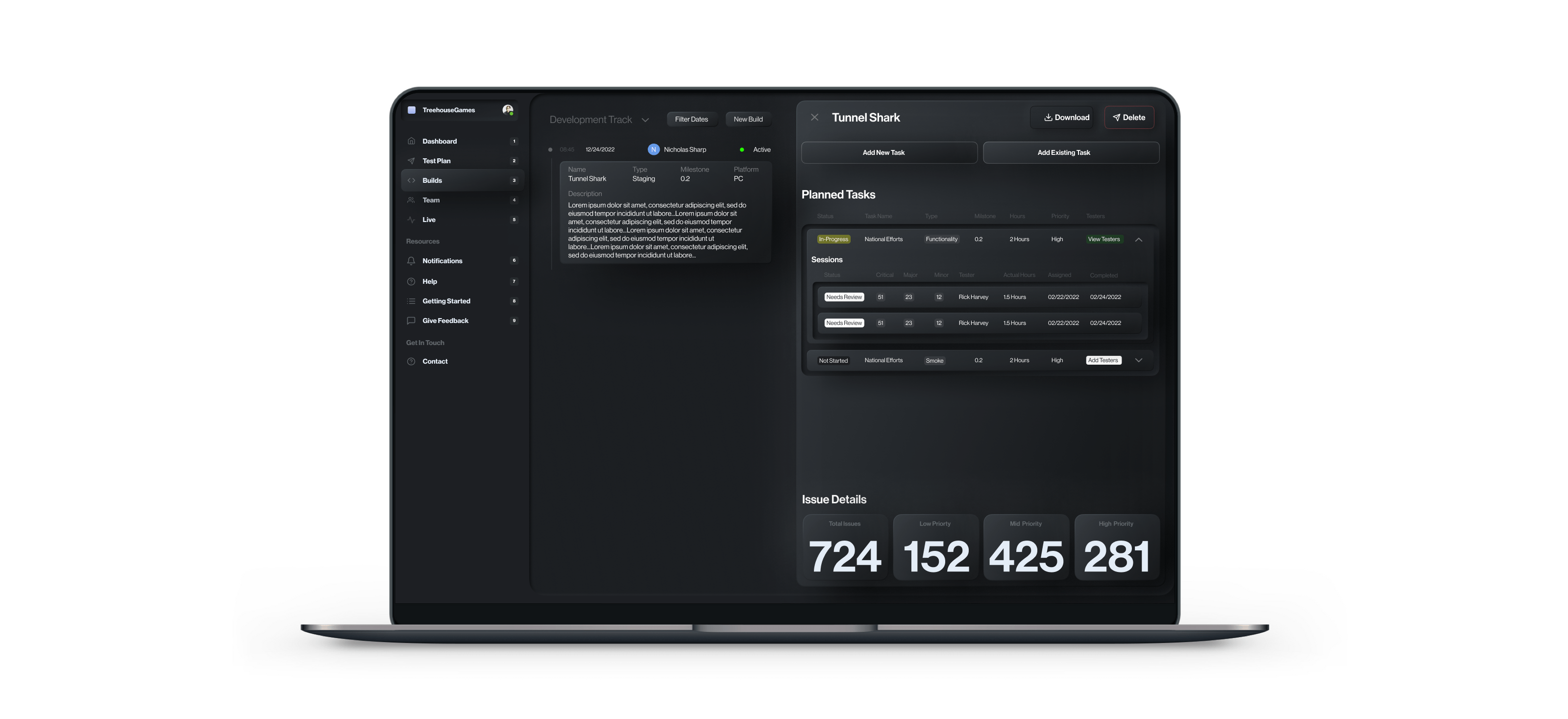
Where all builds are managed and maintained. Once a build is uploaded, tasks can can assigned to that build, along with testers as well allowed leads to do everything in one screen.
Annotation Review
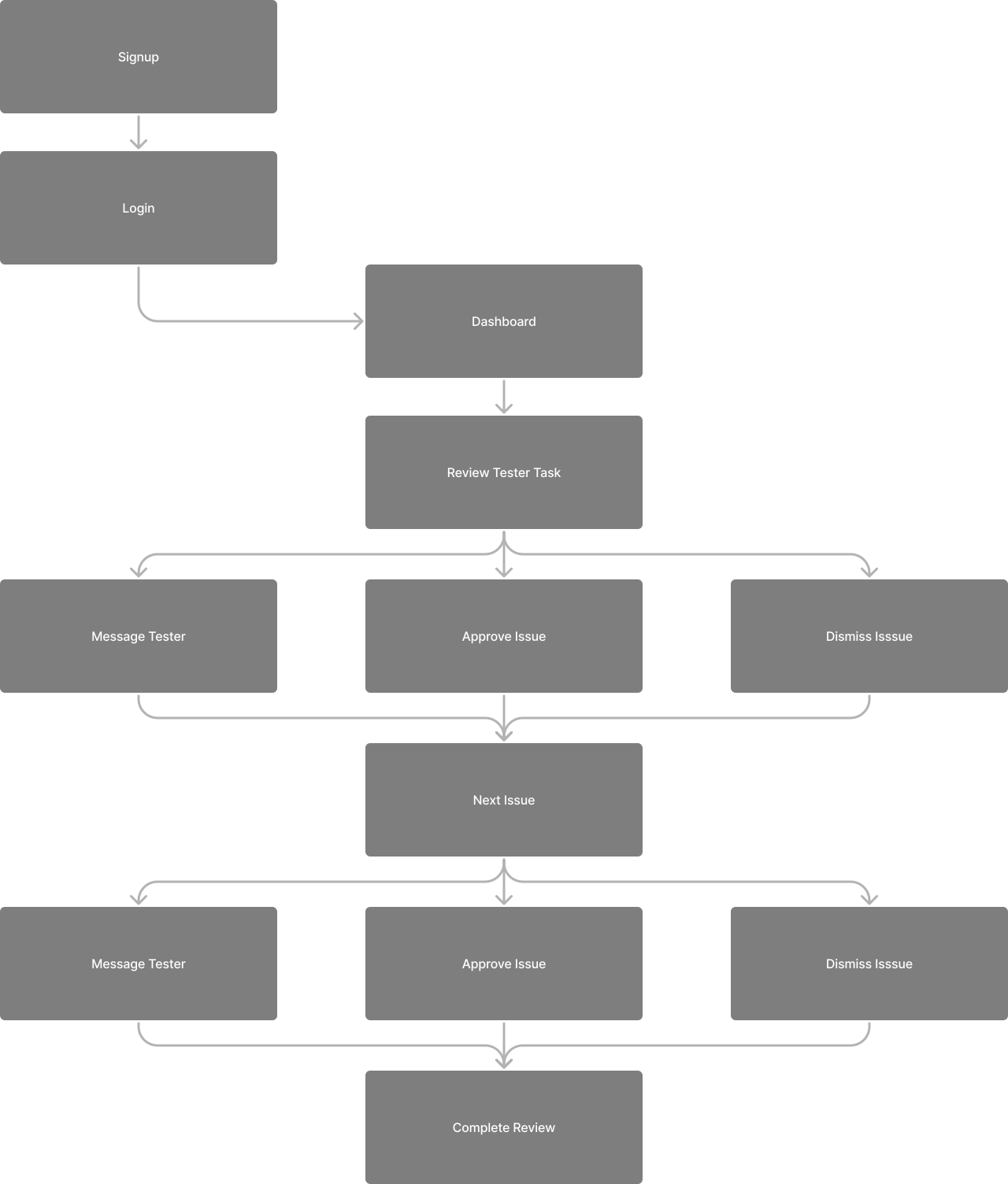
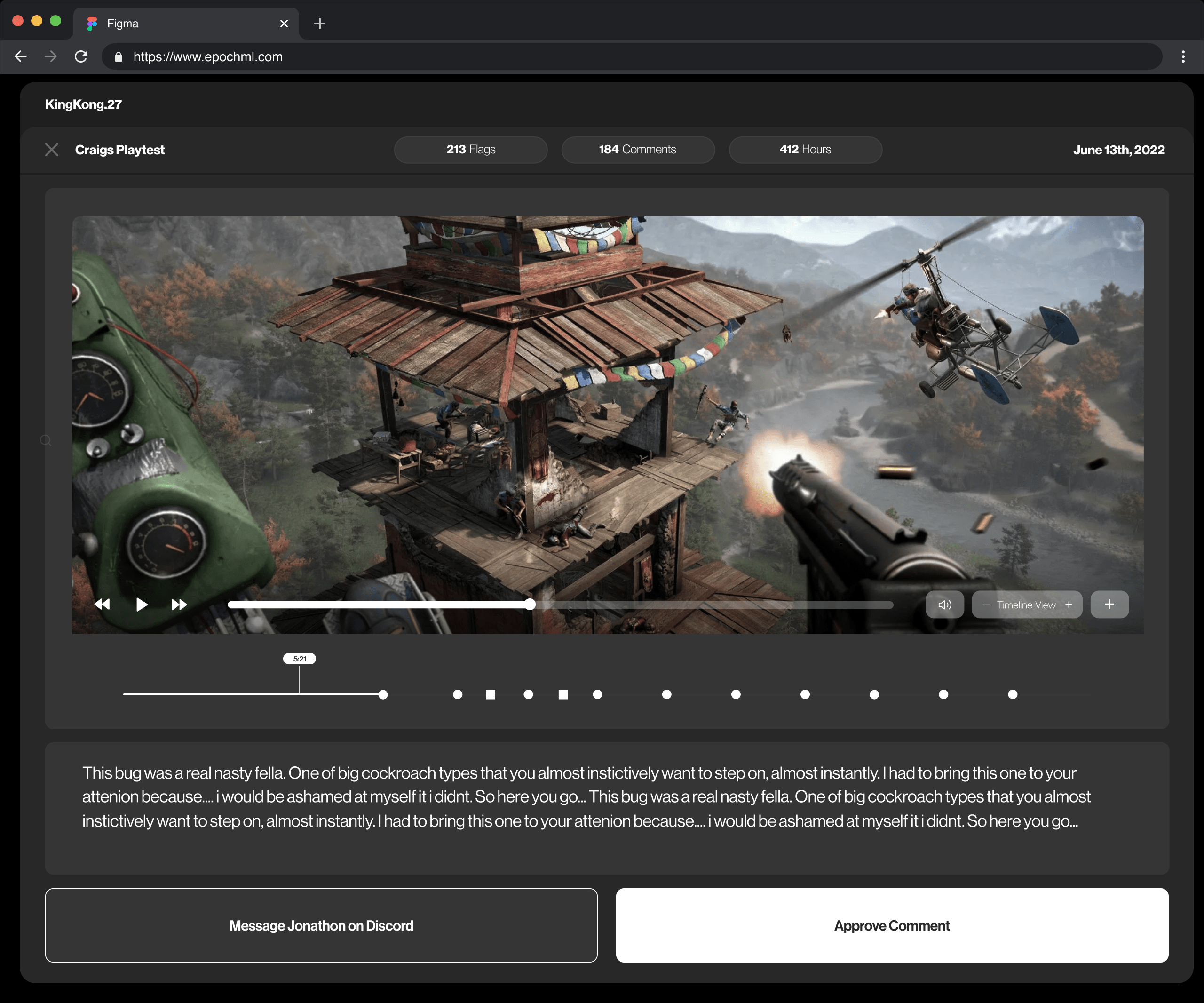
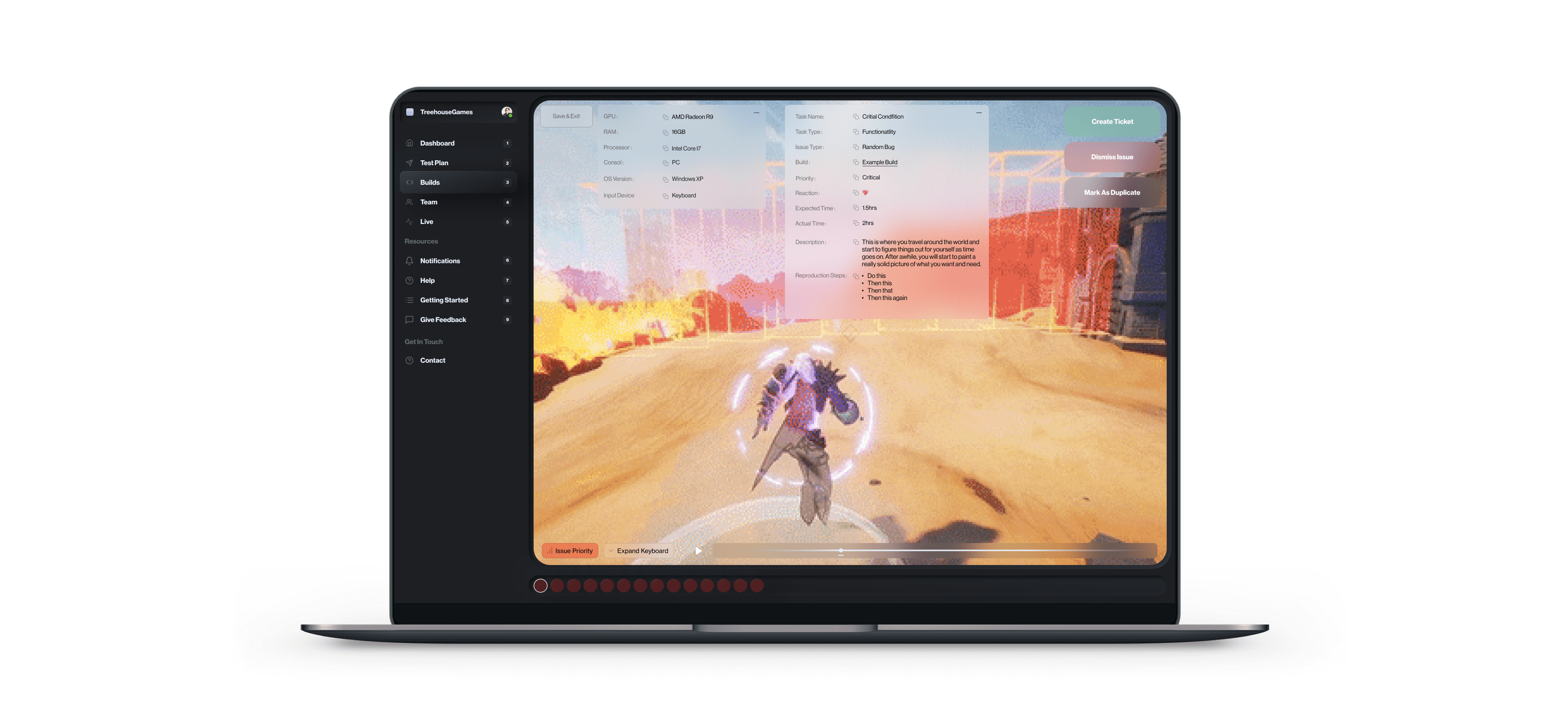
There screen where the QA lead would review issues that the tester found along with details of the hardware they were using. If the QA lead decided this was a bug they could one click and create a jira ticket for development, or simply dismiss the issue.

Team Management
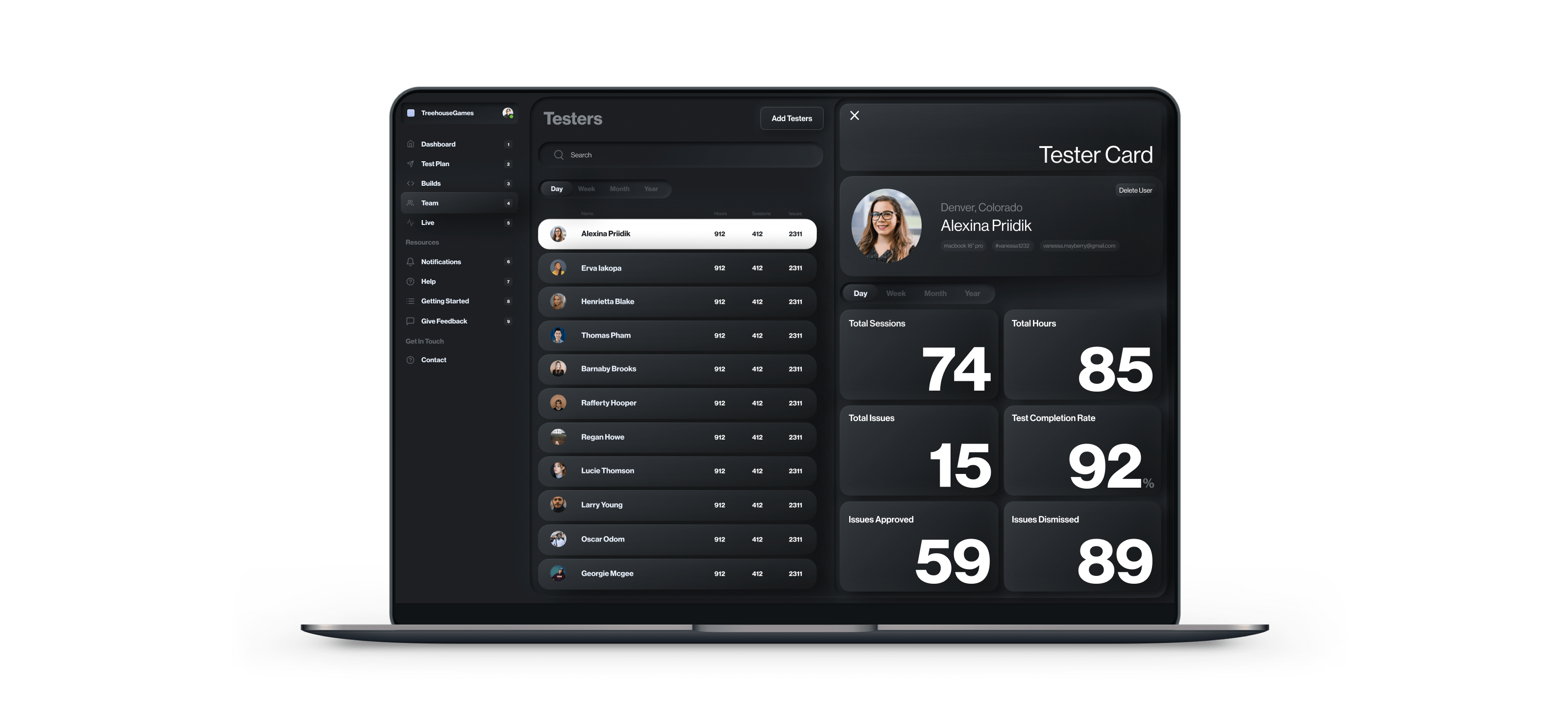
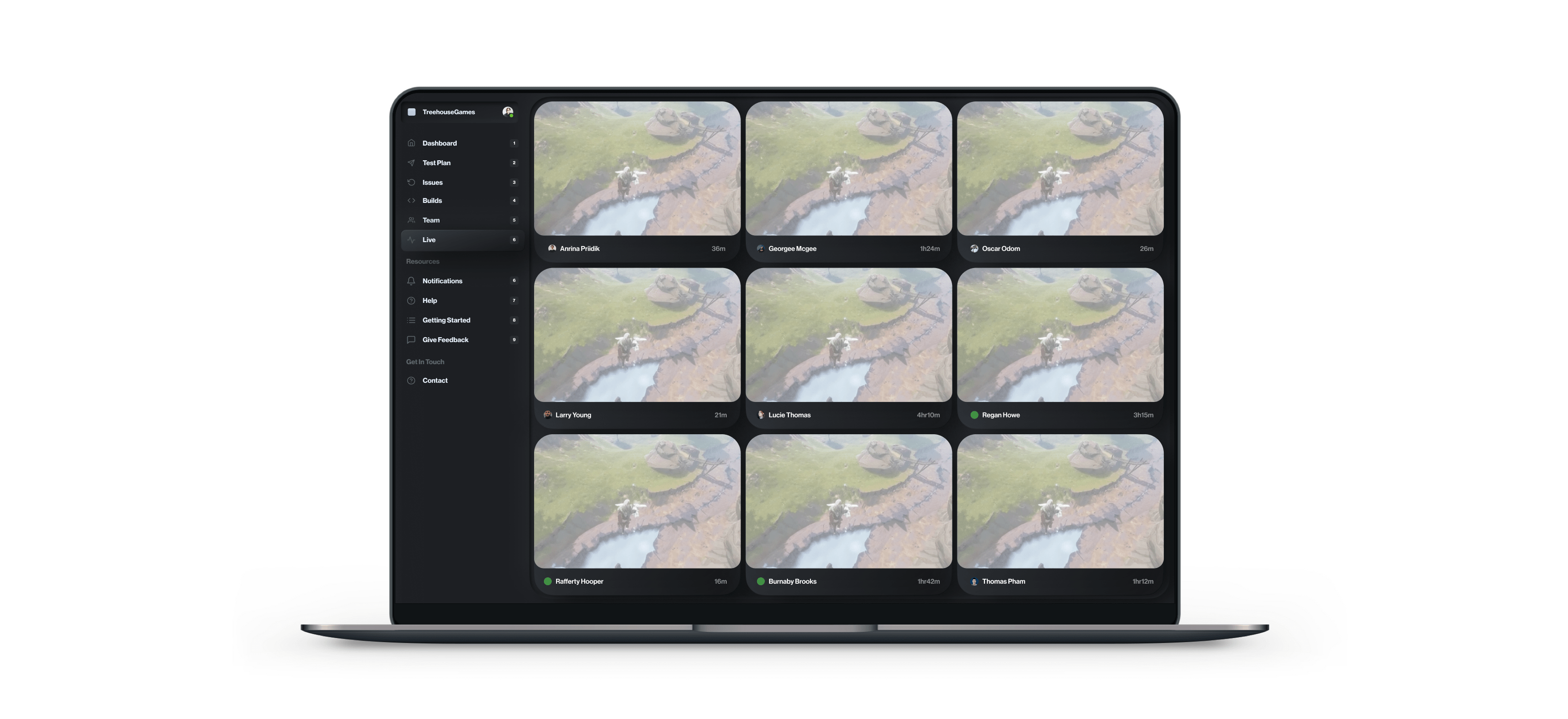
This screen allows for the QA admin to review stats about their testers that they simply wouldn’t have access to before hand. Sometimes game studios would simply just outsource QA testing and then get hit with a bill for X hours, with a rough breakdown on where those hours went, and no way to prove if this is true or not.

Test Scheduling
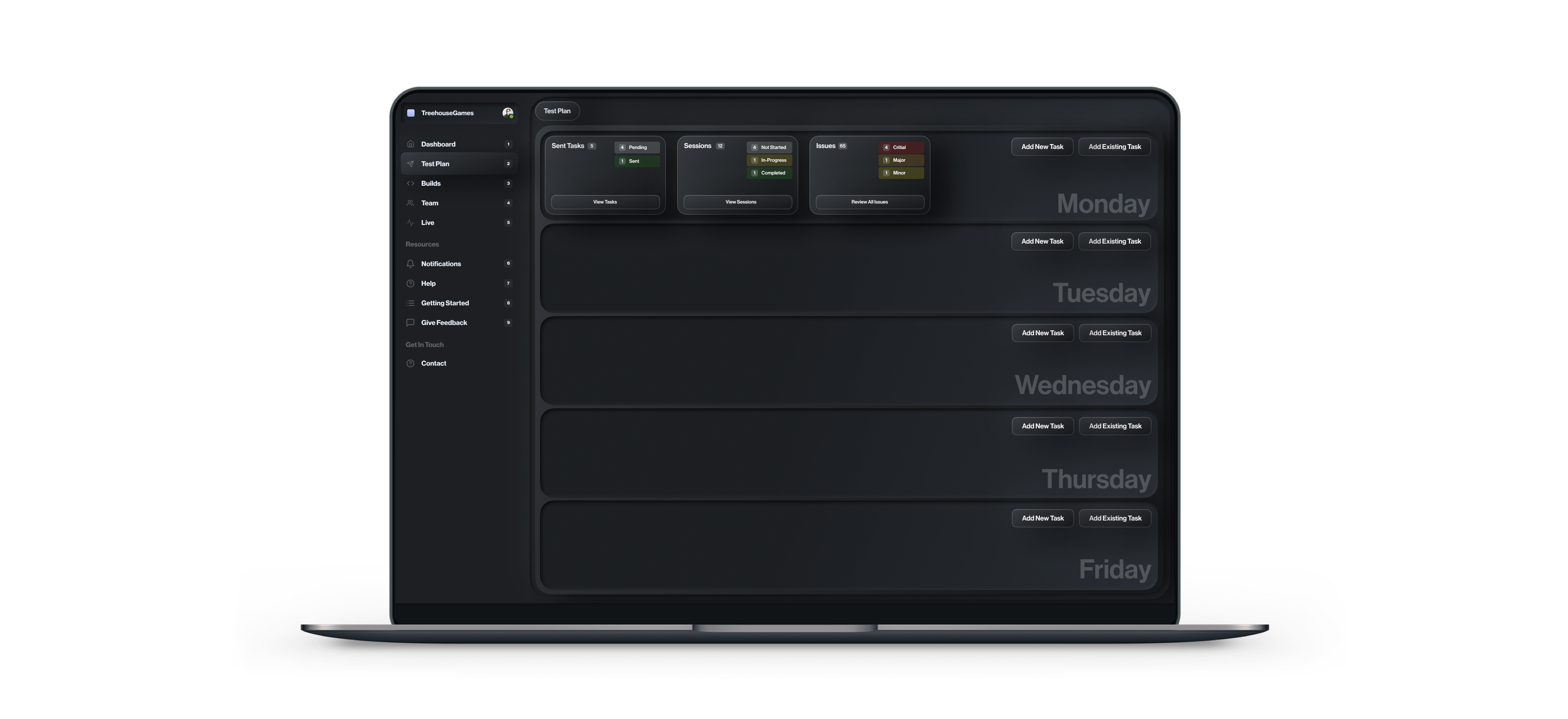
This screen allows for QA leads to be able to plan their tasks well in advance so that when a fresh build comes from development, they can easily upload it here, and quickly assign pre-populated tasks they have scheduled for the day.

Test Plan
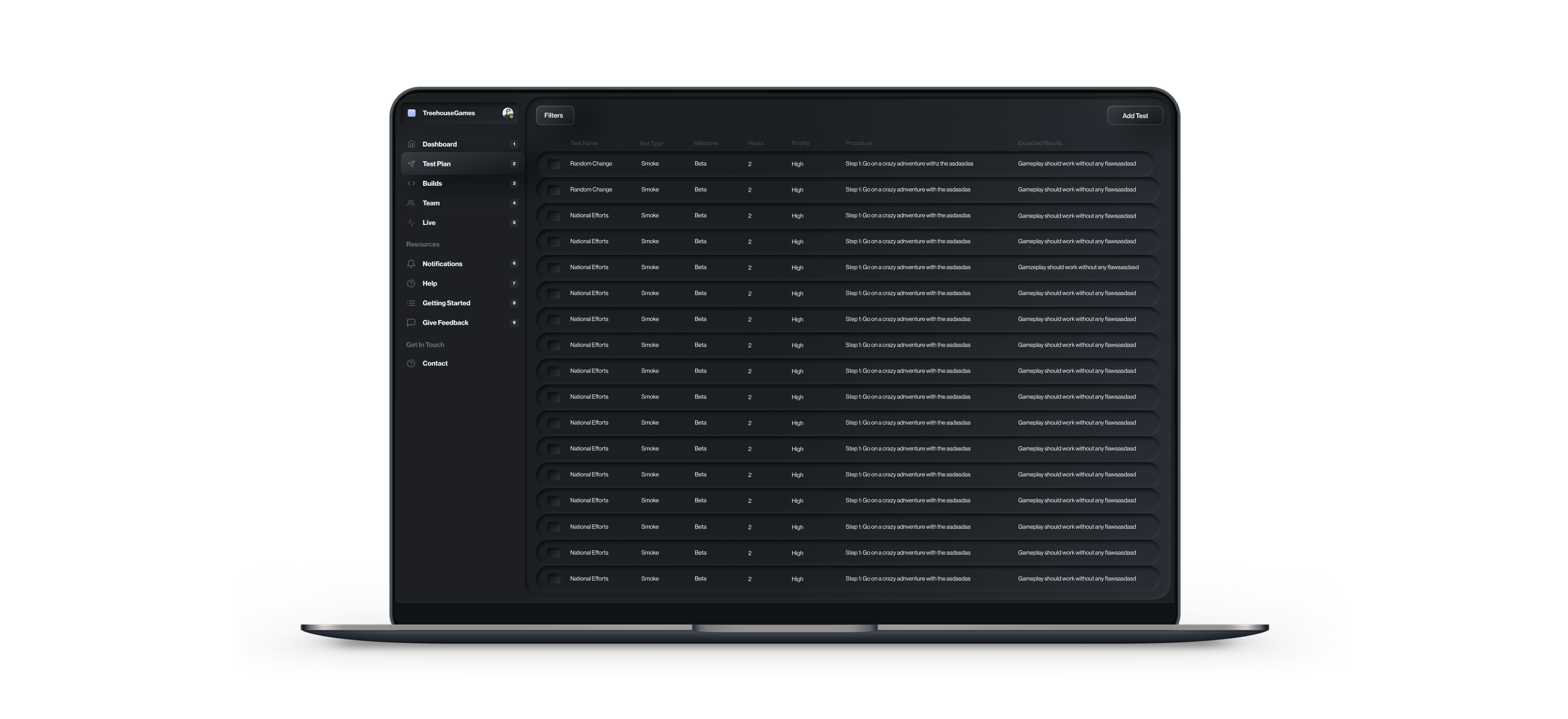
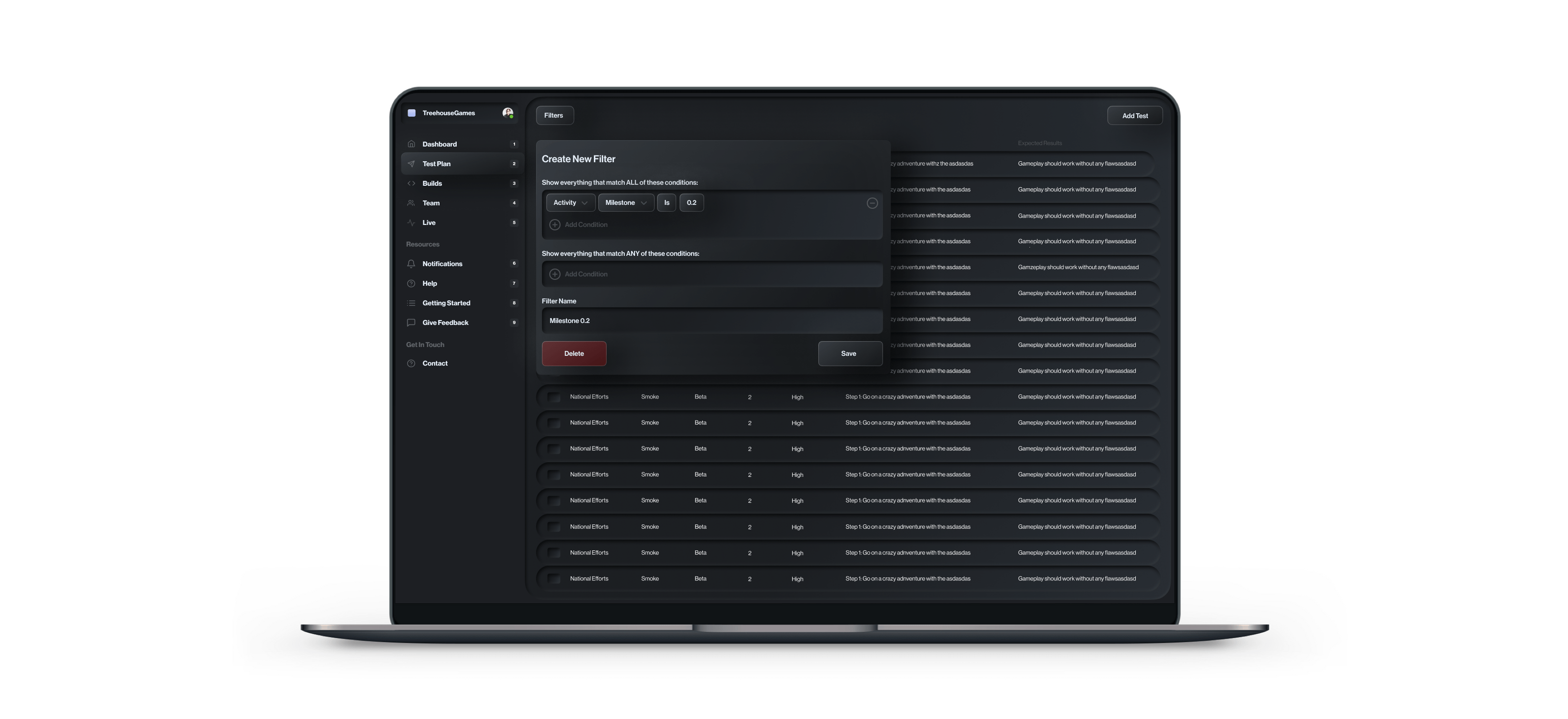
This screen is simply just a google sheet. Didn’t want to try and reinvent the wheel here. Almost every QA lead I spoke with had their test plan in a good sheet, so I wanted this to have a similar UX pattern to what they were used to. These datasets can range from 500 - 3000 entries, which means we needed a powerful filtering system so our users can easily find what they are looking for.

Test Plan - Filters
We allowed our users to create custom filters that they could save for easy access in the future. This allowed our users to surface up rather quickly the task that they are looking for without having to scroll through hundreds or thousands of entries which would be a nightmare.
Test Plan - Filters
We allowed our users to create custom filters that they could save for easy access in the future. This allowed our users to surface up rather quickly the task that they are looking for without having to scroll through hundreds or thousands of entries which would be a nightmare.